
If you are a football or rugby fan, you have certainly seen referees equipped with an audio system from VOGO. The company, which specialises in the development of audio communication systems and live & replay video broadcasting, offers in particular VOKKERO radio systems, designed and developed for sports professionals (referees, doctors, coaches, video analysts), for field teams in industry (in particular construction, noisy industries, transport, energy and security) and for broadcasting.
The signature of these systems? They feature a patented noise filter that makes communication and work possible in very noisy environments such as stadiums, factories, construction sites and show/filming venues.
To guarantee impeccable reliability, these products are systematically subjected to rigorous testing. MESULOG, which specialises in the development of test and measurement software for industry, supported VOGO in rolling out automated test procedures, using NI TestStand, for an entire ecosystem of products.
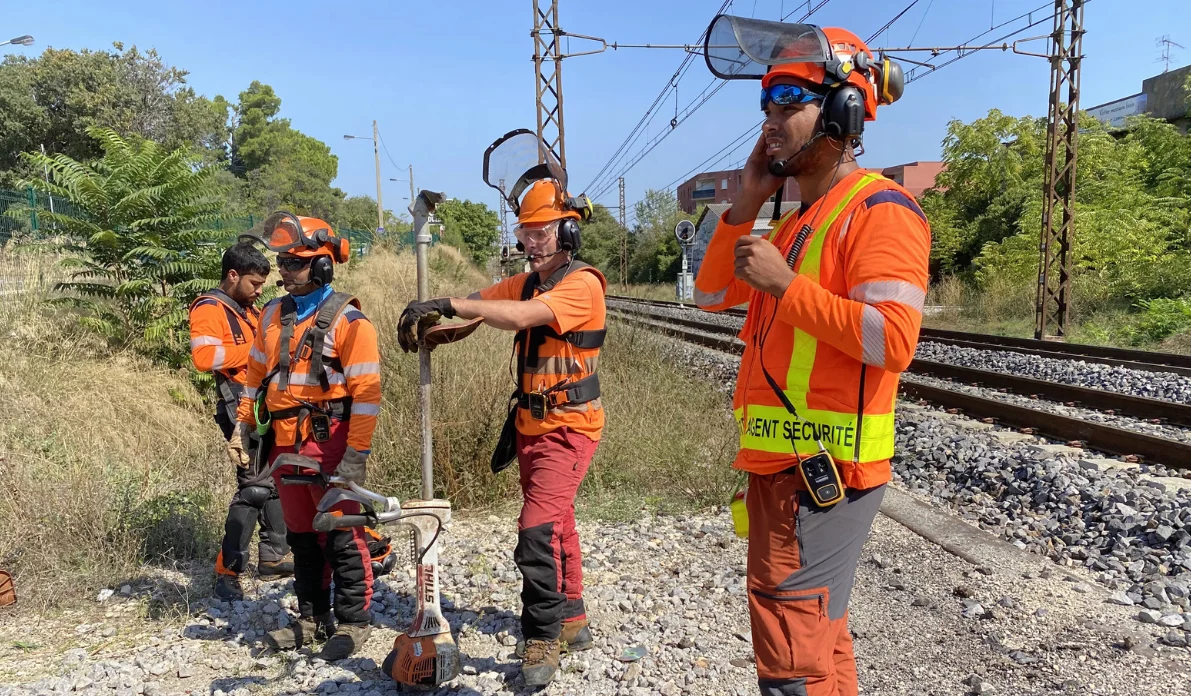
VOKKERO radio systems make it possible to communicate in very noisy environments.
A single piece of software to test the production of three product categories
"NI TestStand is a ready-to-use test sequencer used to automate validation and production tests. It offers the possibility of testing products one by one (sequential mode), in parallel or in batches. Whatever the mode used, each product gets a test report, which guarantees traceability of all operations," explains Damien Lamy, NI TestStand architect lead at MESULOG.
"Originally, we had developed a test engine in NI TestStand for ADEUNIS, which developed the VOKKERO systems before their acquisition by VOGO in 2019. This test engine was intended for ADEUNIS's IoT products. Fabien de Barros, technical manager at VOGO, saw an interest for the company, which wanted to automate its test procedures as much as possible for various products," says Damien Lamy. "We adapted the test engine accordingly, in particular to deploy a multi-product test part. We also developed a single piece of software to test the entire production of bare electronic boards, assembled products and configurator-chargers for the VOKKERO ELITE and VOKKERO GUARDIAN ranges," stresses the NI TestStand architect.
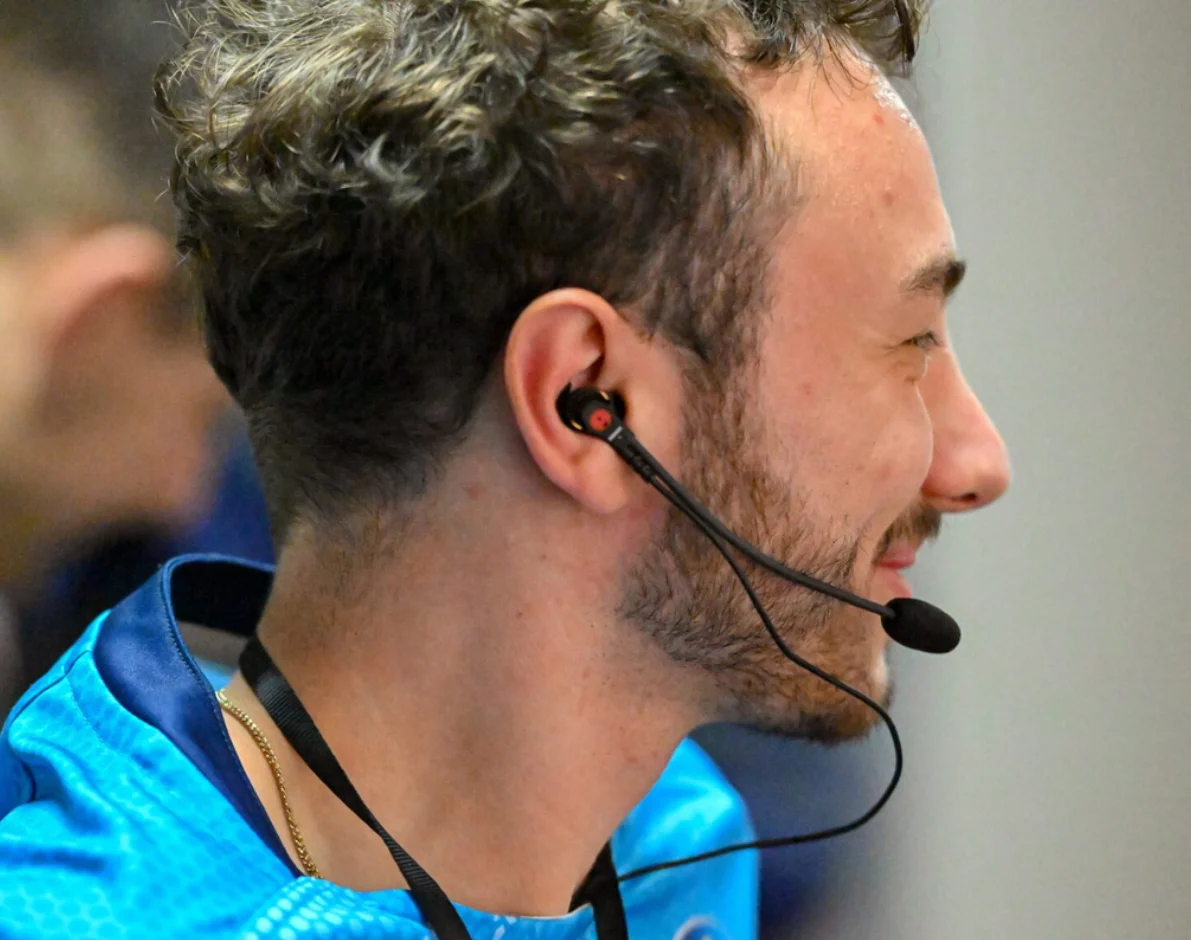
VOGO is the world leader in referee audio equipment.
Optimising single-product test sequences
"To understand our requirements in terms of product reliability and traceability, you have to consider how our products are used, particularly in sport. The television stakes are considerable. We are the world leader in referee audio equipment. We cannot accept our systems failing during a match!" explains Fabien de Barros. "Before our collaboration with MESULOG, we already had a bench to test bare electronic boards and assembled products, but we had no access to essential information such as tracking of quantities tested, failure rates... This feedback was all the more difficult as our manufacturer at the time was based in Malaysia. We have since brought production back to France," says Fabien de Barros.
Today, all bare electronic boards and assembled products are tested on two different platforms (or fixtures). The operator, who previously had to follow an instruction file, now simply selects the reference of the product to be tested via an operator interface. This interface also starts the test and displays the results. Some test sequences require manual actions by the operators. They are indicated by video, photo or audio media that MESULOG has integrated into the interface. "It is a real improvement from an ergonomic and operational point of view. It offers greater working comfort and peace of mind to our operators, who no longer fear making mistakes," notes Fabien de Barros.
The company has also subscribed to the WATS solution, developed by VIRINCO, for which MESULOG is the French partner. Using it with NI TestStand requires no additional development: "You just tick a box," explains Damien Lamy. "We use WATS a lot for supplier production monitoring. It lets us see the quantities of products tested, failure rates, scrap rates, the nature of the main failures, etc. We hold regular meetings with suppliers and ask them, for example, to take action when a defect recurs. This tool also allows us, remotely, to know much more easily what is happening, to upgrade the bench and to check that there are no problems with the test sequences. We are much more relaxed about any non-conformities raised by customers, because we have the full history of the products," illustrates Fabien de Barros.
Fully automated multi-product tests
"The major contribution of our partnership with MESULOG was the implementation of a multi-product end-of-line test bench and the development of tools for configuring systems at the end of the line," recalls Fabien de Barros. After testing the PCBs and assembled products, VOGO also checks the configurators used to charge the radio communication systems. They are also used to configure the terminals.
This device testing and configuration work was carried out, product by product, by an operator who consulted a file to find out which software (firmware) to load into each product. "You should know that our customers order kits made up of devices with different options. It was slow and, above all, a source of errors for operators. We replaced this manual work with pure automation. What is remarkable is that this major innovation in our process did not require the development of specific tools. MESULOG was able to adapt exactly to what our products do. We did not need to add any hardware other than our own. This is a real strength, because the product ecosystem remains the one we know, including for testing," stresses the technical manager.
Configuring and testing a whole batch of products is possible simply by plugging the configurators in via a USB cable connected to the PC. As many configurators as the PC has USB ports can be put under test, and up to 12 products can be placed on each configurator. The operator only has to start the tests and launch the configuration of the products. Each configurator addresses each product independently. An operator interface shows the status of all products under test.
The company estimates the programming time for each product at around three minutes. For fifty products configured in parallel on five configurators, the operation takes half an hour compared with two and a half hours previously. Time during which the operator can carry out other tasks in parallel, whereas previously regular interventions were required, in particular checking and restarting programming between each configurator. "We can process a large number of devices at the same time! It is hidden time and productivity gains," says a delighted Fabien de Barros.
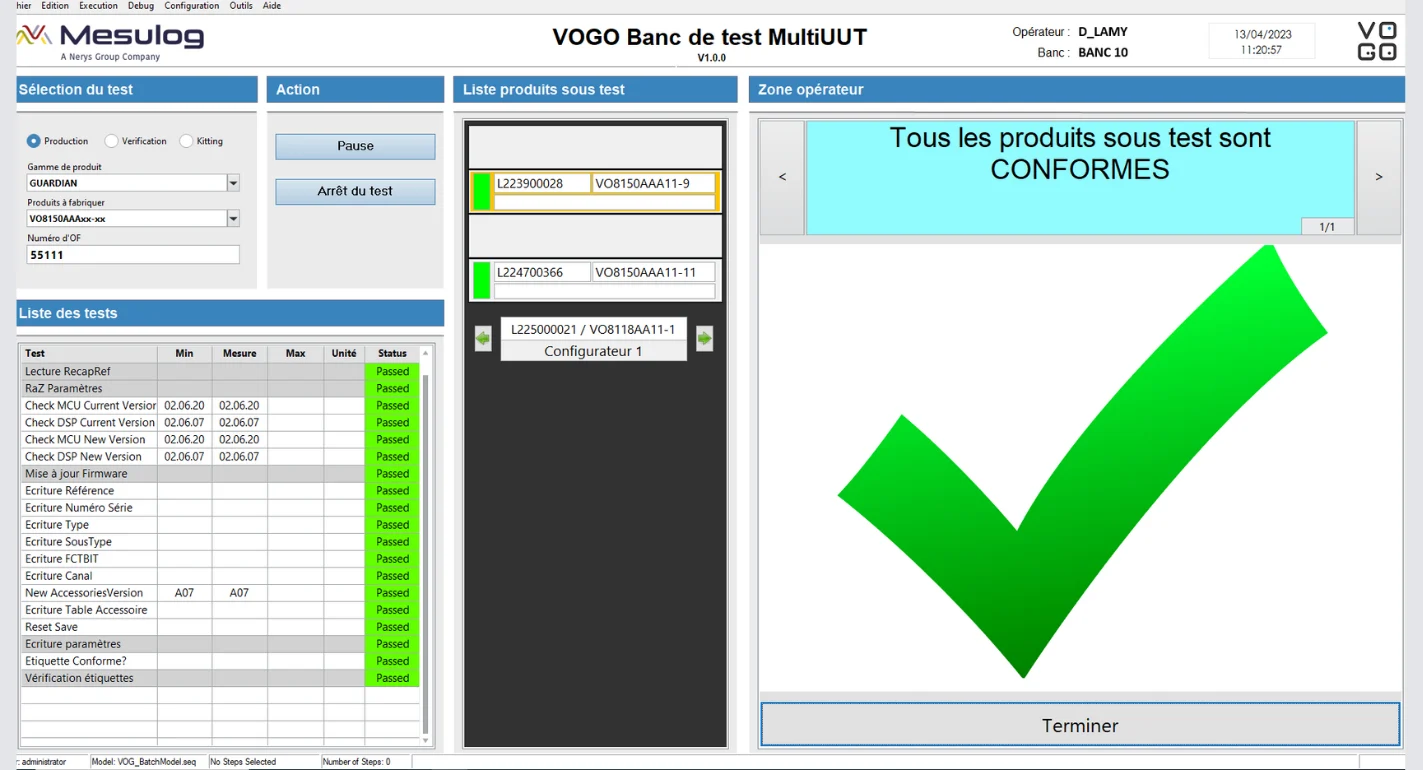
A view of the operator interface of the multi-product test bench developed for VOGO.
As simple as filling in an Excel file
MESULOG was also able to meet the specific features of VOGO's extremely diversified offering. "We offer a fairly varied ecosystem of products, because every customer request can be unique. Built around standard products, our systems are customised, which very regularly leads us to create new product references. This particularity could have been a real difficulty for our test procedures, on top of the R&D work, if adding new references had required the intervention of Damien or one of his MESULOG colleagues. Adding a product reference to the test simply requires updating an Excel file. It is a tool that is easy to read and maintain. This method gives us appreciable freedom. Ultimately, we can manage powerful test tools without having to get into the heart of the system."
"In the same spirit, MESULOG developed a multi-device hardware abstraction layer (HAL), which means the whole system is not affected. When we replace hardware and instruments, we just select the new driver. Beyond the technical expertise provided by MESULOG, I greatly appreciated their desire to foster our autonomy and Damien's availability," says Fabien de Barros.
VOGO, which is also known for its video replay broadcasting solutions, is considering a new collaboration with MESULOG in the short term. "We are going to call on them to deploy an automated test solution for audio headsets. It is the last element of the VOGO offering that is still tested manually at our premises. It represents a volume of 8,000 units per year. The tests are difficult for our operators to carry out and we encounter the same pitfalls inherent in manual operations. It is a real technical challenge, because advanced signal processing tools will have to be built into the development," challenges Fabien de Barros.
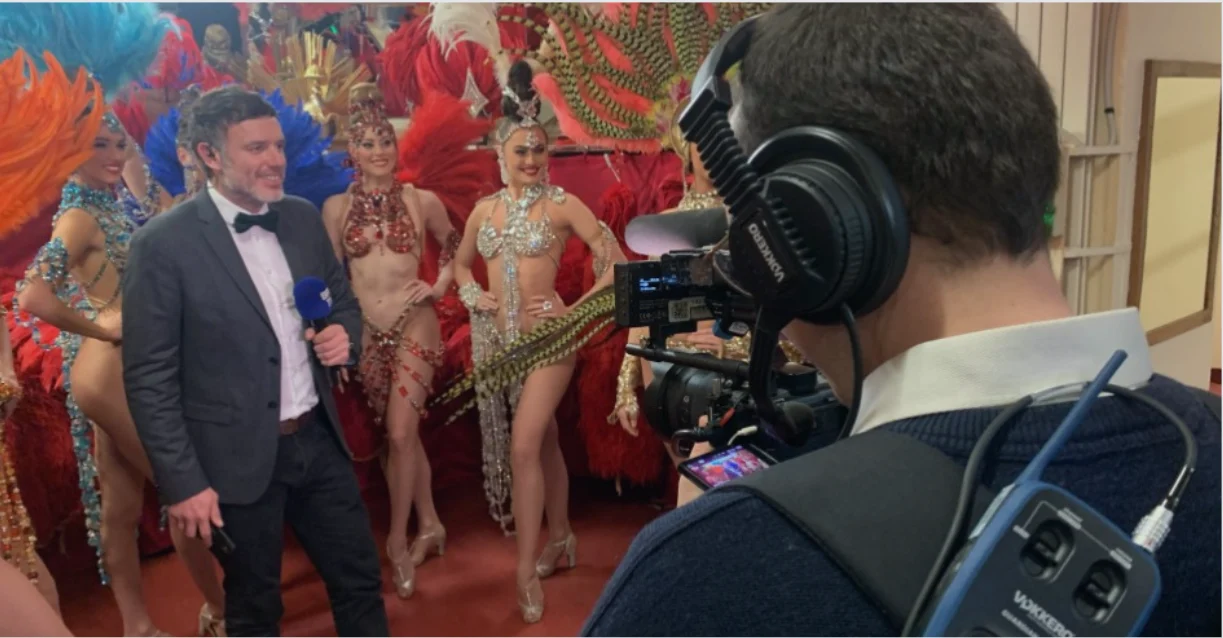
VOGO is also known for its video replay broadcasting solutions.
Written by: Khady Bathily.
Thanks to Fabien de Barros and Damien Lamy for their testimonials.
Photo credits: VOGO - All rights reserved.
Download the newsletter as a PDF (in French)


